
Should Every Dog Know How to Heel?
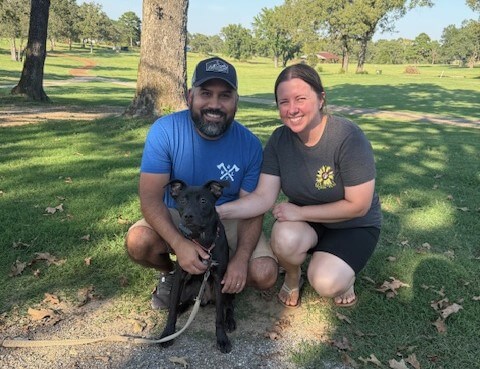
Walking a dog shouldn’t feel like a tug-of-war, but for many owners, it does. Dogs that pull, lag, or wander make even short strolls frustrating and unpredictable.
Teaching your dog to Heel with Jacksonville, TX, dog training changes all of that. It establishes a clear position, improves attentiveness, and gives you control without constant struggle.

The Importance of the Heel Command
Most pet owners aren’t aiming for obedience competition titles; they simply want a dog that walks politely on a leash. For them, commands like Heel can seem unnecessary or overly formal.
After all, if the main concern is leash pulling, why bother with more advanced commands? Despite that perception, the Heel command is far more practical than it might initially appear.
Instructions like “don’t pull” are vague from a dog’s perspective. Dogs need clearly defined expectations to succeed. Without clear parameters, they struggle to understand what is expected, and owners often experience frustration.
Simply asking a dog to stop pulling doesn’t provide a consistent reference point, making the task harder to learn and maintain.
The Benefits of Teaching a Defined Heel
A Clear Walking Position
Teaching a dog to Heel establishes a precise position the dog should maintain in relation to its handler. Traditionally, Heel is taught on the left side, though the specific side matters less than remaining consistent. What’s important is that the dog learns exactly where it belongs during a walk.
A helpful way to visualize this position is to imagine a hoop attached to the outside of your knee. The dog’s head and shoulders should remain within this space.
A visual framework creates a concrete boundary the dog can understand, removing guesswork and ambiguity from leash walking.
Predictable Structure and Reduced Wandering
By defining a specific walking zone with Heel, the dog stays close enough to remain aware of the handler’s movement without drifting too far ahead, lagging behind, or veering to the side.
The structure prevents common leash issues such as crossing in front of the handler or pulling forward.
With a clearly established boundary, walks become more predictable and controlled. The dog learns to remain “with you” rather than moving independently, which reduces pulling and wandering without relying on vague expectations.
Improved Attention and Awareness
Beyond leash control, Heel training builds awareness. While a dog does not need to maintain constant eye contact, it must remain conscious of the handler’s position and movement.
Being aware helps the dog stay engaged during walks instead of becoming overly focused on distractions.
When a dog understands where it should be and what is expected, cooperation improves. Heel becomes a shared activity rather than a struggle, creating safer, smoother, and more manageable walks for both dog and owner.
How Professional E-Collar Training Can Help
For many dogs, professional guidance can accelerate learning and improve outcomes. Trainers experienced in e-collar use provide steady corrections to communicate expectations clearly and consistently.
Corrections help the dog understand the Heel position more efficiently and reduce errors during training.
Under expert supervision, e-collar training ensures that dogs learn faster and walks become smoother, making it a valuable tool for establishing reliable obedience and attention.
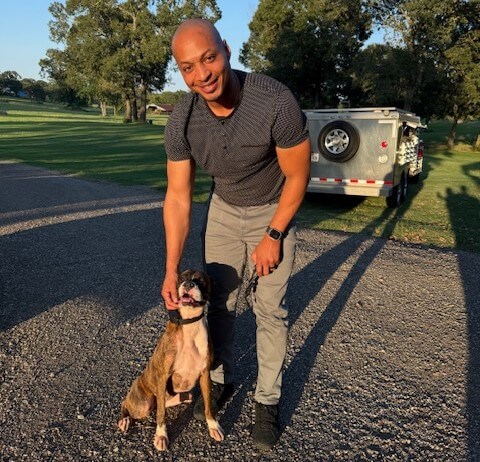
Jacksonville, TX, Dog Training That Builds Reliable, Respectful Dogs
Ready to see real improvement in your dog’s behavior? Contact One Shot Retrievers for professional obedience and gun dog training. Our experienced trainers focus on clear communication, steady corrections, and proven methods, always putting your dog’s long-term success first.

Gastropexy in Dogs: What Jacksonville, TX Dog Training Clients Should Know Before Bloat Strikes
Considering gastropexy for your dog? Jacksonville, TX dog training clients get the pros, cons, and risks of stomach tack surgery explained.
Read more
What Is Puppy Imprinting and Why Does It Matter for Gun Dogs?
Puppy imprinting shapes confident, trainable dogs early on. Discover expert dog training in Dallas, TX — contact us today!
Read more
Raising a Puppy vs. Raising an Older Dog: Why Training Should Evolve with Age
Raise a confident, well-behaved dog with trusted Tyler TX dog trainers. Contact One Shot Retrievers today to schedule professional training!
Read more


