
When Should Obedience Training Start? How Early Development Shapes Your Dog’s Behavior

Obedience does not come automatically, even in well-bred dogs. Whether a dog is expected to compete, hunt, or live safely as a family companion, obedience is built through deliberate development.
All dogs need the ability to focus, respond, and adapt to their surroundings to live productive, manageable lives.
Understanding how a dog’s brain develops, especially as a puppy, helps explain why structured obedience dog training in Tyler, Texas, plays such a critical role in long-term success.
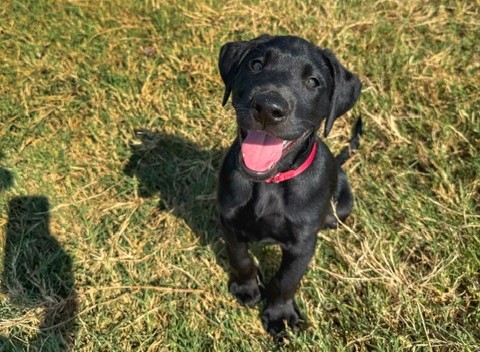
Why Early Brain Development Matters for Obedience
From birth through roughly 12 to 16 weeks, a puppy’s brain undergoes rapid growth, and neurons and connections are formed at an exceptional rate. Experiences during such time influence how the brain organizes itself and which pathways remain active as the dog matures.
For obedience dogs, early exposure to structured learning supports attention, responsiveness, and emotional regulation.
Moreover, dogs that receive thoughtful early training tend to enjoy learning and remain engaged as training advances. They handle pressure more effectively, retain information more reliably, and adapt more easily to new challenges.
Early training also prepares the brain to accept advanced concepts later, supporting continued progress throughout the dog’s life.
Sensitive Periods and Proper Training Time
Puppies pass through specific developmental stages during which experiences have a lasting impact on behavior and learning:
Neonatal Period (Birth to 3 Weeks)
During the neonatal period, puppies are not yet forming learned associations, but important neurological development is underway. Early sensory input supports basic brain growth, creating the groundwork for future learning.
Primary Canine Socialization Period (3 to 7 Weeks)
In this stage, puppies learn essential social skills from their mother and littermates. Interactions teach boundaries, communication, and impulse control, all of which influence how a dog responds to structure and guidance later in life.
Primary Human Socialization Period (7 to 12 Weeks)
Critical for forming a bond with people. Puppies that receive consistent interaction and direction during this time are better prepared to accept leadership, respond to commands, and work cooperatively with a handler.
Core Skills Behind a Reliable Obedience Dog
Working Memory
Working memory allows a dog to remember commands, locations, and expectations despite distractions. It also supports recalls, extended stays, and multi-step tasks.
Dogs with stronger working memory tend to respond more consistently and require less repetition over time.
Self-Control and Focus
Obedience depends on a dog’s ability to wait calmly, remain attentive off-leash, and resist reacting impulsively to excitement. These abilities help dogs function safely in public spaces, around other animals, and in everyday household environments.
Mental Flexibility
Mental flexibility allows dogs to transition smoothly between tasks or environments. Obedient dogs must adjust from motion to stillness, shift attention between commands, and respond appropriately in unfamiliar settings without becoming unsettled.
Applying Training at the Right Stage
The most effective time to begin developing obedience-related skills is early in life, though meaningful progress can be made at any age. Puppies require an approach that respects their developmental stage and introduces structure without excessive pressure.
As dogs mature, clarity and consistency become increasingly important. Tools such as e-collars, when used correctly, reinforce known behaviors through steady corrections, helping dogs understand expectations without confusion or conflict.

Contact One Shot Retrievers for Expert Dog Training in Tyler, Texas
If you are ready to build a reliable, well-rounded dog, professional guidance makes a difference. Contact One Shot Retrievers for obedience and gun dog training you can trust.
Our experienced trainers are well-versed in canine development and always place your dog’s best interests first.

Gastropexy in Dogs: What Jacksonville, TX Dog Training Clients Should Know Before Bloat Strikes
Considering gastropexy for your dog? Jacksonville, TX dog training clients get the pros, cons, and risks of stomach tack surgery explained.
Read more
What Is Puppy Imprinting and Why Does It Matter for Gun Dogs?
Puppy imprinting shapes confident, trainable dogs early on. Discover expert dog training in Dallas, TX — contact us today!
Read more
Raising a Puppy vs. Raising an Older Dog: Why Training Should Evolve with Age
Raise a confident, well-behaved dog with trusted Tyler TX dog trainers. Contact One Shot Retrievers today to schedule professional training!
Read more


